
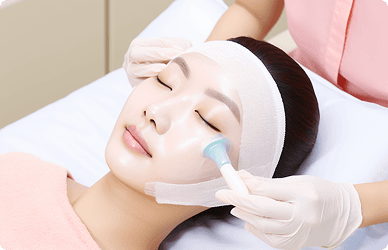
Medical vs Regular Facials: A Guide to Skin Care
D
By Deepthi Rajanna
March 5, 2025

When it comes to skincare, facial treatments offer a range of options. Understanding the differences between medical-grade and regular facials can help you make an informed decision for your skin.
Product Comparison
Product Powerhouse
Medical-Grade
Formulated with higher concentrations of active ingredients to target specific dermatological issues and penetrate deeper skin layers.
Regular Facial
Employ milder, over-the-counter products for surface cleansing and relaxation. They are suitable for general skin care maintenance, rather than addressing specific concerns.
Customized Techniques
Technique Tailored
Medical-Grade
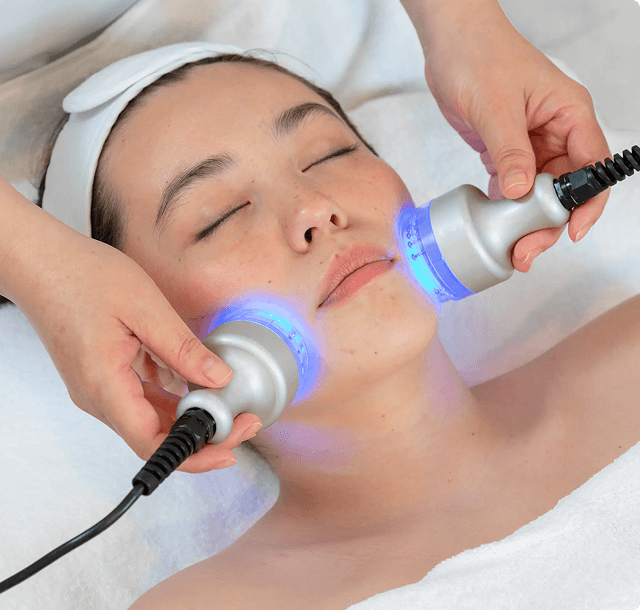
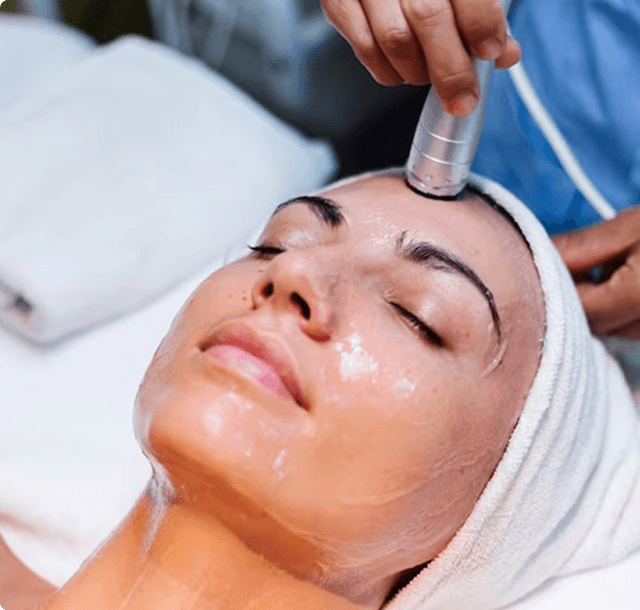
Incorporate advanced techniques like chemical peels, laser therapy, or microneedling to target deeper skin layers. These treatments aim to produce noticeable and long-lasting improvements.
Regular Facial
Focus on manual extractions and surface exfoliation. They provide a relaxing experience and address superficial concerns like dry skin or clogged pores.
Goal Oriented
Focus on Results
Medical-Grade
Address specific skin concerns like wrinkles, acne, or hyperpigmentation. They are tailored to achieve visible results and improve skin health.
Regular Facial
Provide a relaxing and rejuvenating experience with a focus on general skin cleansing and hydration. They are designed to enhance overall skin appearance and well-being.


Qualifications
Expertise and Experience
Medical-Grade
Medical-grade treatments are administered by licensed medical professionals, like dermatologists or licensed medical aestheticians, who have in-depth knowledge of skin conditions and treatments.
Regular Facial
Regular facials can be performed by aestheticians at spas or salons, who have general knowledge of skincare and provide relaxing treatments.
Clinical Benefits
Benefits of Medical-Grade Treatments
1
Produce more noticeable and long-lasting improvements due to stronger active ingredients and deeper penetration.
2
Address deeper skin concerns like sun damage, rosacea, or uneven skin texture through professional diagnosis and treatment.
3
Stimulate collagen production, leading to improved skin elasticity and wrinkle reduction, through specific treatments like microneedling.
4
Offer a wide range of tailored treatments to address individual skin issues and concerns, based on a personalized approach.
Guide
Choosing the Right Treatment
✦ Assess your skin concerns and desired results. Consider if you're seeking relaxation or targeted treatments for specific issues.
✦ Consider your budget and time commitment. Medical-grade treatments may require multiple sessions and higher costs.
✦ Consult with a licensed medical professional to determine the best treatment plan for your individual needs and skin type.

Summary
Conclusion
Medical-grade and regular facials offer different approaches to skincare. Understanding their differences empowers you to make informed decisions and achieve your desired skin goals.
Frequently Asked Questions
What is the main difference between a medical-grade facial and a regular spa facial?
Medical-grade facials use stronger, professionally formulated products and advanced techniques—such as chemical peels, microneedling, or device-based exfoliation—under the supervision of licensed medical professionals. Regular spa facials typically focus more on relaxation and surface-level cleansing with milder products.
How do I know if I need a medical facial instead of a regular facial?
If you have specific concerns like acne, pigmentation, scarring, rosacea, or signs of aging, a medical facial or medical-grade treatment may be more appropriate. If you are mainly looking for relaxation and basic maintenance, a regular facial may be sufficient. A consultation at ZenX Body and Skin can help you decide.
Are medical facials safe for sensitive skin?
Medical facials can be adapted for sensitive skin by selecting gentle yet effective products and techniques. During your assessment, we will review your history, sensitivities, and any previous reactions so we can create a safe plan tailored to your skin.
Do medical facials cost more than regular facials?
Medical-grade facials often cost more because they use advanced formulations, technologies, and the expertise of licensed medical professionals. However, they can also provide longer-lasting, more targeted improvements, which many clients find to be a worthwhile investment.
Can I alternate between regular and medical facials?
Yes. Many clients choose to incorporate periodic medical facials or advanced treatments into a routine that also includes gentler facials for relaxation and maintenance. Our team can help you design a schedule that fits your skin needs and budget.
Explore related blogs



Consultation Request